
AI Lead Generation vs Traditional Prospecting: ROI Comparison
If you’re building a SaaS business in India, growth often comes down to one thing: how efficiently you turn the right prospects into meetings and pipeline. That’s why AI lead generation vs traditional prospecting has become a serious ROI conversation—not a trend debate.
This guide explains the ROI comparison in a clear, practical way—and how Sparkline Telecom OPC Pvt Ltd can help you build a predictable lead engine for India-focused SaaS growth.
What is traditional prospecting?
Traditional prospecting is the classic manual approach:
Researching accounts and decision-makers
Building static lists
Writing outreach and following up manually
Qualifying late in the process (after effort is already spent)
It can work well, but it often becomes slow and difficult to scale due to manual workload and data becoming outdated.
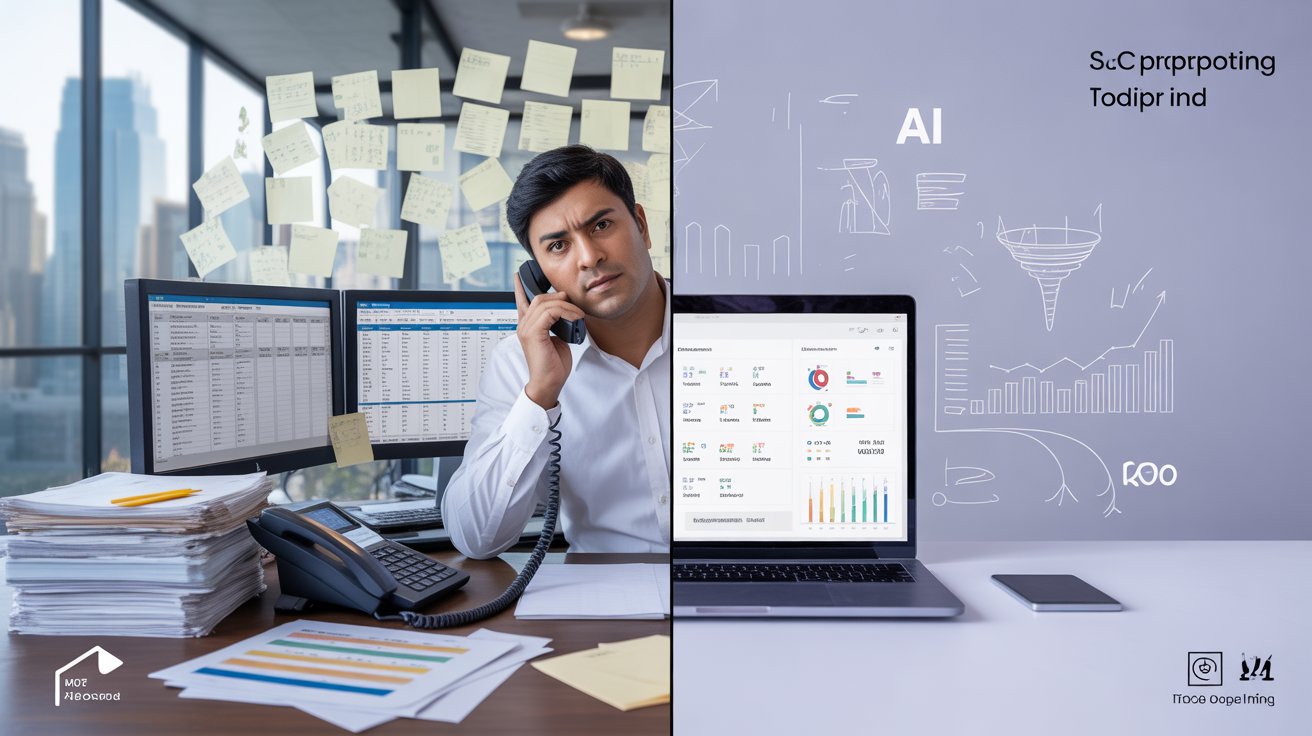
What is AI lead generation?
AI lead generation uses data and automation to:
Identify higher-fit prospects earlier
Prioritize outreach continuously (not just once)
Reduce repetitive tasks like research, enrichment, and routing
Improve personalization and follow-up speed
In short, AI shifts the workflow from “work harder” to work smarter with signals and prioritization.
How to measure ROI for SaaS lead generation in India
ROI isn’t only revenue. It’s also:
1) Time efficiency
How much rep time you save on low-signal work (research, list cleanup, manual sorting).
2) Conversion efficiency
How many replies, meetings, and qualified opportunities you get per unit of effort.
3) Opportunity cost
The deals you miss because your team spent time on poor-fit leads.
For SaaS in India, where budgets can be tighter and sales cycles vary by segment, these three metrics often matter more than vanity numbers like “emails sent.”
Why traditional prospecting underperforms (hidden ROI killers)
Traditional prospecting often loses ROI due to:
Repetitive manual research and data entry
Stale lists and wrong contacts
Slow prioritization (you discover fit too late)
Too much time spent switching tools
This creates a familiar SaaS problem: activity goes up, pipeline doesn’t.
How AI improves ROI (what actually changes)
Faster execution and scalability
Automation reduces repetitive work, enabling teams to run higher volumes more consistently—without increasing headcount at the same pace.
Better lead quality through scoring and signals
AI-assisted targeting prioritizes prospects using fit and intent signals, improving focus and reducing wasted outreach.
Stronger results through precision targeting
Because AI helps you narrow down to better-fit accounts and routes hot prospects faster, teams often see improvements in meeting rates and conversion efficiency.
AI lead generation vs traditional prospecting: ROI comparison table
| ROI Factor | Traditional Prospecting | AI Lead Generation |
|---|---|---|
| Targeting | Manual filters, static lists | Signal-led prioritization, dynamic targeting |
| Speed | Slower setup and prep | Faster with automation support |
| Scalability | Limited by headcount | Scales with workflows and automation |
| Lead Quality | Depends on list accuracy | Improves with scoring + intent signals |
| Best ROI lever | Rep effort + persistence | Time saved + better focus |
The best approach for India SaaS: hybrid systems win
For most SaaS teams in India, the best-performing model isn’t “AI only” or “traditional only.” It’s a hybrid motion:
AI-assisted targeting + prioritization
Human-led messaging, discovery, and relationship building
Strong follow-up systems (email + LinkedIn + calls where relevant)
This keeps your outreach human, while removing waste from the workflow.
How Sparkline Telecom OPC Pvt Ltd helps SaaS companies in India
At Sparkline Telecom OPC Pvt Ltd, we build lead generation workflows that are designed for ROI—not noise. The focus is on fit, speed, and measurable outcomes.
What we optimize for
Higher-quality prospect targeting (ICP + signals)
Faster response and routing
Better meeting conversion
Cleaner pipeline reporting
What you should track (ROI dashboard for SaaS)
Time-to-first-response
Reply rate and meeting rate
Cost per qualified meeting
Qualified pipeline created
Win-rate by segment (SMB vs mid-market)
Common mistakes SaaS teams make with AI lead generation
Using AI without a clear ICP (garbage in, garbage out)
Automating too much “personalization” (sounds robotic)
Measuring only volume metrics instead of meetings and pipeline
Ignoring data quality and compliance considerations
Conclusion: Which one delivers better ROI?
If your SaaS team is spending hours on research and low-quality lists, AI lead generation often delivers better ROI because it improves time efficiency, prioritization, and lead quality. Traditional prospecting still matters—but AI-supported workflows help your team focus on prospects most likely to convert.
Want a lead gen system built for ROI?
Fill out the form to get a customized plan from Sparkline Telecom OPC Pvt Ltd, including:
ICP + targeting strategy
Outreach + follow-up structure
Meeting qualification framework
ROI tracking dashboard